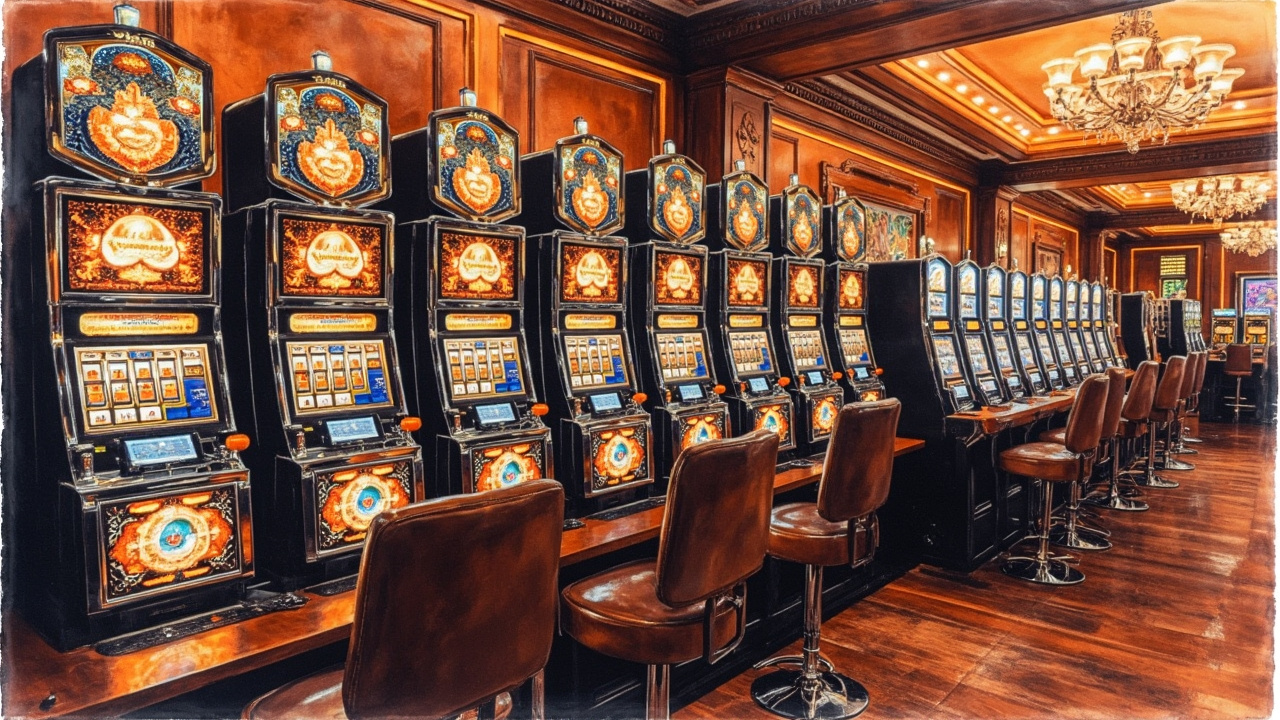
Walking into a casino or firing up an offshore site with a hundred bucks in your pocket is a familiar feeling for plenty of Sydney locals who’ve blown bigger stacks on a single NRL multi at the pub. The trick with roulette isn’t chasing a magic system – it’s matching your stake to a style that suits how you actually bet. Here’s how three different player types might make a century stretch across an arvo, with thinking borrowed from the racing desk.
Setting a Hundred-Dollar Session Like a Race Day Bank
A hundred dollars in roulette terms is what I’d call a “unit bank” at the track – small enough to keep you honest, big enough to give the maths a fair shake. Treat it the same way a disciplined punter treats a Saturday at Randwick: pick a stake per spin, decide your session length in advance, and walk away when either runs out. Don’t top up from your wallet when the red misses three in a row, because that’s the casino equivalent of chasing a beaten favourite down the straight – the bookie loves it, the wheel loves it, and your budget definitely doesn’t survive. If you want a starting point for comparing what offshore rooms actually offer Aussie players, ozwincodes.net lists current welcome deals and terms that help frame a realistic session budget. Bond knew the drill – his shaken, not stirred martini at the baccarat table was ordered with the same unflappable discipline a smart bettor brings to a 100-dollar session, never chasing, never second-guessing the pour, and never letting the previous hand dictate the next spin.
Scenario One – The Steady Outside Bettor
| Strategy Element | Details |
|---|---|
| Best For | Long sessions, low stress |
| Typical Bet | $5 on red/black or dozens |
| Session Length | 1-2 hours |
| Variance | Low |
| Risk of Ruin | Modest |
This is the cricket-test-match approach to the wheel: slow, controlled, and built to survive a long day at the SCG without losing your cool. Stick to even-money outside bets – red or black, odd or even, the three dozens – and avoid the temptation to throw a fiver on a single number when the table goes cold. With a $100 bank, a $5 chipper means twenty full units, which gives you around 200 spins at a single-zero wheel before the maths catches up. The win rate sits close to 48.6% on European layouts, so you can grind small profits or break even for a decent stretch without sweating every drop. It’s the betting equivalent of backing favourites in a spinitgolf.com multi – the payouts are modest, but the strike rate keeps you in the game far longer than a single moonshot would. Sydney players who like a long lunch at the Crown complex often default to this style because it lets them chat, watch the board, and not lose sleep over a single bad spin.
Scenario Two – The D’Alembert Swing
The D’Alembert system is the AFL midfielder of roulette strategies – not flashy, but it adjusts to the flow of the game. You start with a base unit, say $5, and increase by one unit after every loss, dropping back one unit after every win. The theory is that wins and losses will cluster, and the progression claws back losses gradually without the aggressive doubling of a Martingale. With $100, a $5 base means you can absorb a six or seven-spin losing streak before the maths starts hurting – roughly the same buffer you’d want on a rough day at the races. The catch: a long enough losing run will still smoke you, and the table limits on outside bets will cap your recovery. Like a batter building an innings, you’re playing the long game, and the same unflappable composure Bond brings to ordering his shaken, not stirred martini at the casino is exactly the temperament this system demands. Reckon it’s the middle ground between grinding and gambling.
Scenario Three – The Quick-Fire Player
Some punters don’t want a long arvo at the wheel – they want ten minutes, a cold schooner, and a shot at turning a hundred into a grand. This is the quaddie punter of roulette: straight-up number bets, split bets, maybe a corner if you’re feeling generous. The maths is brutal – a single number pays 35 to 1, but you’re looking at a 2.7% chance on a European wheel, so most spins end in nothing. With $100, a sensible quick-fire approach is to break it into ten $10 attacks, picking one or two numbers per session and walking away if either hits. Some Sydney players swear by this at the pub on a Friday night – the vibe is “live or die on the next spin,” and a single hit covers your whole bank with profit on top. It defo isn’t a system, it’s a mood, and the mood says you want one crack at glory before the arvo ends.

A hundred dollars won’t make you a roulette legend, but it can buy you a proper session if you pick the right fit. Match your style to your patience level, set a stop-loss, and treat the wheel like a day at the track – the form might be against you, but the discipline keeps you in the fight. No system beats the house edge, but a smart bankroll beats a reckless one every time.